
Raiding has always been the heart of World of Warcraft’s endgame. What began as a test of coordination in Molten Core has evolved into some of the most cinematic, mechanically complex encounters in MMO history. Over two decades, Blizzard has redefined what it means to raid—introducing story-driven bosses, scalable difficulties, and intricate teamwork requirements that keep every expansion’s endgame fresh and engaging.
This retrospective explores how raids have grown from massive, chaotic gatherings to meticulously designed battles that challenge skill, creativity, and persistence—culminating in the stunning encounters of The War Within.
Classic Era: The Birth of Raiding
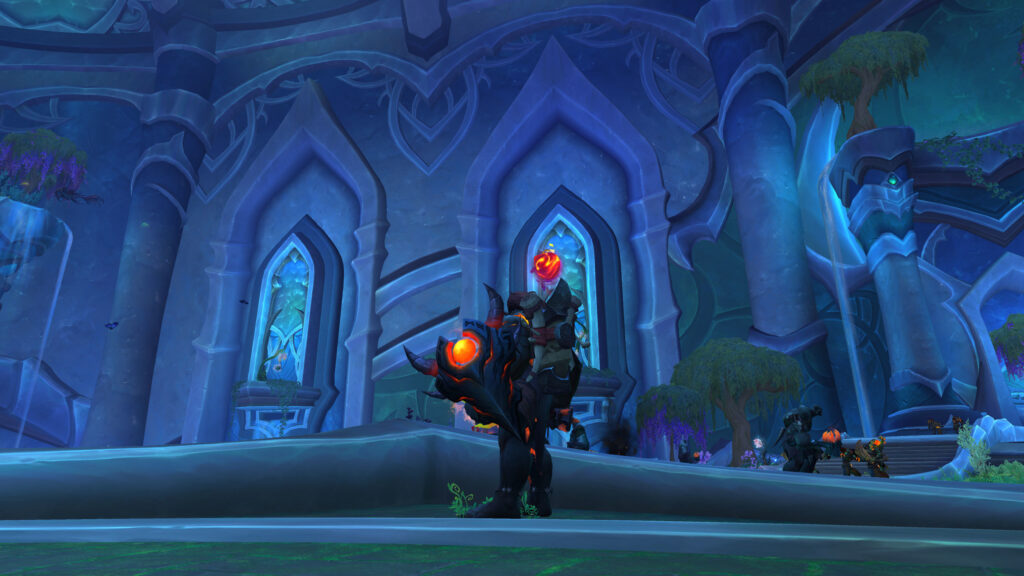
When World of Warcraft launched, Molten Core set the foundation for what raiding would become. With 40 players storming through fiery caverns to defeat Ragnaros, early raids focused more on coordination than mechanics. Players had to manage limited resources, resistances, and class-specific roles to succeed. It was raw, difficult, and deeply social—an experience defined as much by community as by combat.
Other early raids like Blackwing Lair and Ahn’Qiraj expanded the scale and lore, introducing unique mechanics such as boss phases and environmental hazards. These early experiments paved the way for the tactical encounters that would define modern raiding.
The Burning Crusade and Wrath of the Lich King: Refinement and Challenge
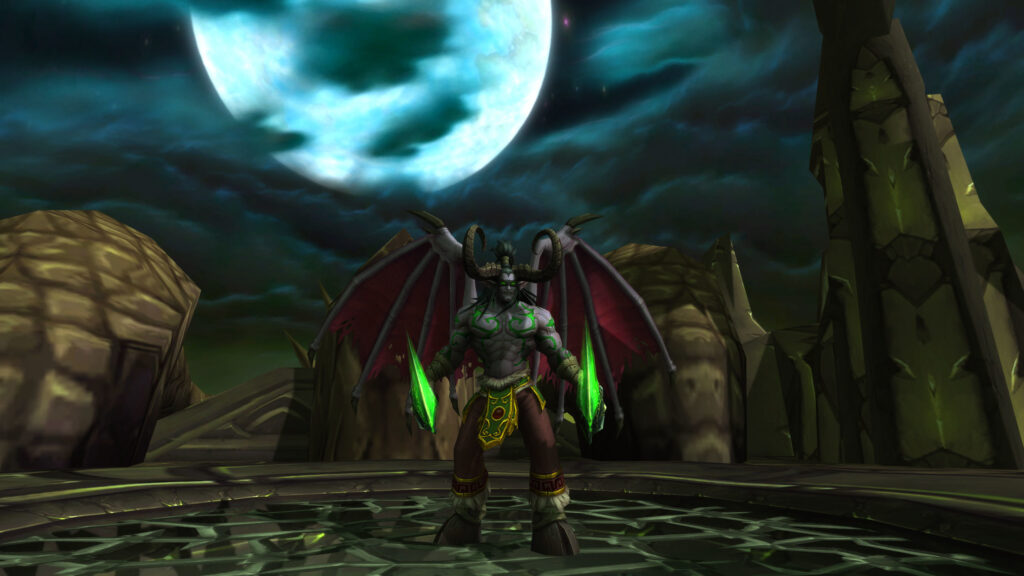
The Burning Crusade introduced smaller 25-player raids and a sharper focus on individual performance. Fights like Illidan Stormrage in Black Temple and Kil’jaeden in Sunwell Plateau became the ultimate tests of coordination and execution. Wrath of the Lich King then brought accessibility, allowing players to experience raids in both 10- and 25-player formats while still preserving difficulty for hardcore groups.
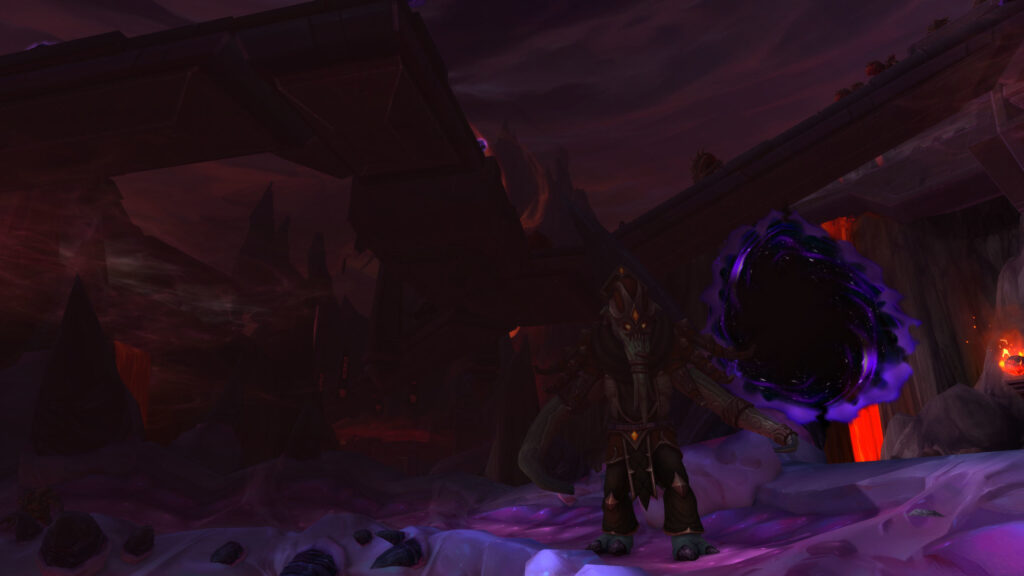
Wrath’s crown jewel, Icecrown Citadel, set a new standard for narrative integration—making players feel like part of the story rather than spectators. The balance between accessibility and challenge defined this golden age of raiding.
Cataclysm to Legion: Mechanics, Cinematics, and Scaling
From Cataclysm onward, raids became more cinematic and mechanically demanding. Fights like Deathwing’s Madness and Lei Shen in Throne of Thunder emphasized movement, timing, and multitasking. Flexible difficulty scaling arrived in Warlords of Draenor, letting groups of varying sizes experience content without punishing coordination issues.
By the time Legion arrived, raids like Tomb of Sargeras and Antorus the Burning Throne represented the perfect blend of visual spectacle and gameplay complexity. Each encounter felt like a puzzle demanding precision and synergy.
Shadowlands and Dragonflight: Story Integration and Accessibility
In recent years, Blizzard emphasized storytelling and player inclusivity. Raids like Castle Nathria and Amirdrassil combined cinematic depth with mechanical variety, while Normal and LFR modes ensured everyone could experience narrative finales firsthand. Mythic raiding remained the pinnacle of competition, demanding near-perfect execution from world-first contenders.
The design philosophy evolved toward balance—offering meaningful progression for every player type while maintaining a high ceiling for elite groups.
The War Within: A New Era of Raiding
The War Within continues this evolution with its most ambitious raids yet. Early previews suggest a stronger focus on environmental storytelling, dynamic boss phases, and unique team interactions. Hero Talents and Warband synergy will redefine class cooperation, creating new possibilities for raid composition and tactics.
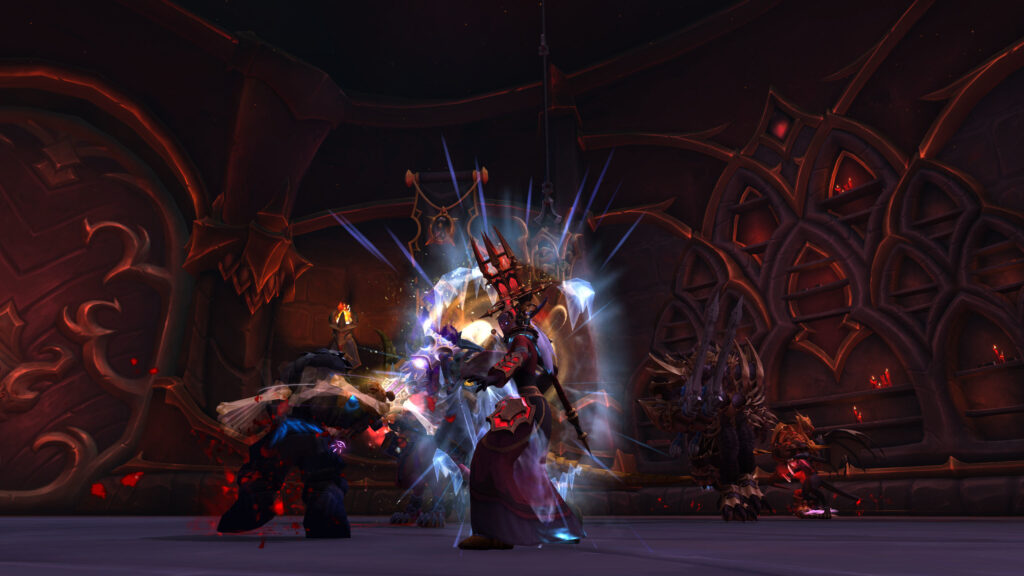
Each boss encounter is designed not just as a fight, but as a narrative event—immersing players in the unfolding drama of Azeroth’s underground conflicts and the ancient powers stirring beneath the surface.
Legacy of Innovation
What started as simple tank-and-spank battles in 2004 has become a highly evolved art form of encounter design. Blizzard’s raids continue to push technical boundaries, integrating complex mechanics, voice-acted storytelling, and cross-character progression systems. The modern raid experience is as much about teamwork and creativity as it is about defeating bosses.
Through each expansion, the raiding community remains the backbone of World of Warcraft’s identity—a tradition of challenge, camaraderie, and triumph that continues to define the game’s enduring appeal.
Conclusion
From Molten Core’s fiery depths to the subterranean battlegrounds of The War Within, raids have evolved into breathtaking displays of design and dedication. Each generation of raiders carries the legacy forward, adapting to new systems while honoring the past. Blizzard’s commitment to innovation ensures that raiding remains not just an activity—but the living, beating heart of Azeroth’s adventure.
As long as heroes gather to face impossible odds, the story of raiding will continue to define the soul of World of Warcraft.
Home

